Fitting Solar Panels on Your UK Home.
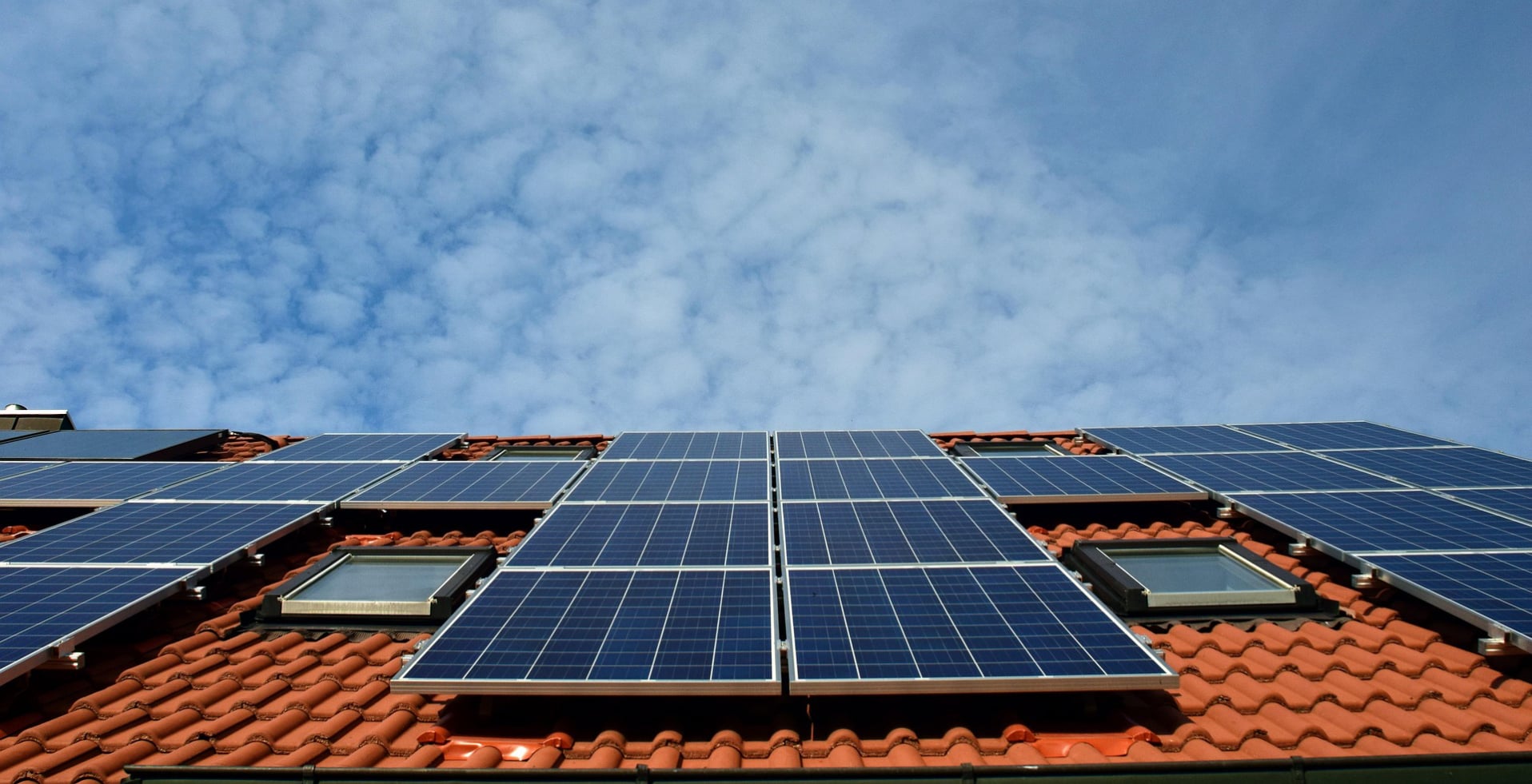

Why are solar panels important?

The Complete Guide to Fitting Solar Panels on Your UK Home in 2026

Energy bills in the UK keep climbing, and folks worry more about the planet each day. You might feel stuck paying high prices for power while the weather shifts. Solar panels offer a smart fix. They let you tap the sun's energy for your house, cutting costs and helping the earth. This guide walks you through every step of installing solar panels in the UK. You'll learn about costs, rules, and tips to get started right.

Section 1: Assessing Suitability – Is Your Roof Ready for Solar Power?

Before you spend a penny on solar panels, check if your home fits the bill. Not every roof works well for this setup. Start with a quick look at your space to spot any issues early.

A good match means more power and faster payback. Think about your roof's direction and slope first. Then scan for shadows or weak spots. This prep saves headaches later.

Roof Orientation and Pitch Optimization

Aim for a south-facing roof to catch the most sun in the UK. That's the sweet spot for max energy all year. A pitch between 20 and 40 degrees works best too. It helps panels grab sunlight without too much waste.

If your roof faces southeast or southwest, you're still in luck. Those spots get about 90% of the output from a perfect south setup. North-facing roofs? Skip them—they won't pay off. Tools like online solar maps can show your exact yield based on location.

Even in cloudy Britain, the sun adds up over time. Proper angle means your system hums along, even on gray days.

Structural Integrity and Shading Analysis

Get a pro to check your roof's strength before anything. Old tiles or beams might not hold the weight of panels. A survey spots fixes needed, like reinforcements.

Shading kills output fast. Trees, chimneys, or tall neighbors block sun and cut power by up to 50%. In series wiring, one shaded panel drags down the whole string.

Walk around your home at different times. Note any dark spots. Trim branches or plan around them. Clear views mean steady energy flow for years.

Understanding UK Solar Panel Types and Technology

Monocrystalline panels shine with high efficiency, up to 22%. They cost more but squeeze out power from small spaces. Polycrystalline ones are cheaper and hit 15-18% efficiency. Pick based on your roof size and budget.

New tech like solar tiles blends right into your roof. Brands such as Tesla or UK firms like Solarcentury offer them. They look sleek but price higher than standard panels.

All good panels come with 25-year warranties on output. Efficiency drops slow over time. Check ratings from bodies like the Energy Saving Trust to pick winners.

Section 2: Navigating the UK Solar Installation Process: Permissions and Planning

Rules keep things safe and fair in the UK. Jumping through these hoops ensures your setup lasts. Start here to avoid fines or delays.

Most homes qualify for simple installs without big red tape. But know the limits. A certified installer handles the paperwork side.

Permitted Development Rights vs. Planning Permission

Under permitted development, you often skip full planning permission. Add panels to roofs under 200 square meters without worry. But listed buildings or conservation areas need council okay first.

Rules say panels can't stick out more than 20 cm from the roof. Front-facing roofs always require permission. Check gov.uk for your area's details.
This keeps neighbors happy and protects history. If in doubt, chat with your local council early.

Electrical Certification and Grid Connection (G98/G100)

Link your system to the grid via your DNO. For small setups under 3.68 kW, it's G98—quick approval. Bigger ones use G100 with more checks.

MCS certification proves your installer meets standards. It unlocks incentives and safe work. Without it, you miss out on export payments.

The process takes weeks, so plan ahead. Your installer files the forms.

Choosing a Reputable MCS Certified Installer

Look for MCS badges on their site. That's your sign of quality work. Ask for proof of public liability insurance too—at least £2 million.

Read reviews on Trustpilot or solar forums like the Renewable Energy Hub. Chat with past customers if you can. Avoid low bids that cut corners.

Warranties matter: 10 years on labor, 25 on panels. Get it all in writing.

Section 3: Financial Considerations: Cost, Incentives, and Return on Investment (ROI)

Money talks when it comes to solar. Upfront costs seem steep, but savings add up quick. Crunch the numbers to see your win.

In 2026, prices dropped thanks to better tech. Expect payback in under a decade for most homes.

Breakdown of Upfront Costs and System Sizing

A 4 kWp system runs £5,000 to £7,000 installed. That covers panels, inverter, and setup. Scaffolding adds £500-£1,000 for safety.

Match size to your bills. High users need 5-6 kWp. Low ones do fine with 3 kWp. Use online calculators from Ofgem for estimates.

Bigger systems cost more but save faster if you use the power.

The Solar Feed-in Tariff (FiT) and Smart Export Guarantee (SEG)

FiT closed in 2019, but old systems still earn. New installs use SEG for export payments. Suppliers like Octopus pay 15p per kWh exported.

Sign up after install. No cap on earnings, but rates vary. Shop around for the best deal.

SEG beats nothing—turn extra sun into cash.

Calculating Your Potential Energy Savings and Payback Period

Self-use saves most: 20p-30p per kWh off your bill. Export the rest via SEG. A 4 kWp setup might make 3,500 kWh yearly in the UK.

Subtract costs from savings for ROI. Most see payback in 7-10 years. Panels last 25+ years, inverters 10-15 with £1,000 swaps.

Take Sarah in London: Her 4 kWp system cut bills by £600 a year. She broke even in 8 years, now pockets extra.

Section 4: Installation Day and System Commissioning

Install day arrives fast once plans lock in. Crews work clean and quick. You just need to step aside.

Expect some noise, but life goes on. Prep your space for smooth sailing.

Section 4: Installation Day and System Commissioning

Most jobs wrap in 1-3 days. Day one: scaffolding and roof prep. Day two: panels up and wired.

Clear the area below. Park cars away. Keep pets inside for safety.

Weather can pause things—rain delays common in the UK.

The Physical Installation Timeline and Disruption Minimisation

Most jobs wrap in 1-3 days. Day one: scaffolding and roof prep. Day two: panels up and wired.

Clear the area below. Park cars away. Keep pets inside for safety.

Weather can pause things—rain delays common in the UK.

Inverter Placement, Wiring, and Battery Storage Integration

Put the inverter in a garage or utility room. Keep it cool and dry, away from heat. Easy access for checks.

Wiring runs neat under eaves. Pros test every connection.

Add batteries like Tesla Powerwall for £5,000-£8,000. Store daytime power for night use. Boosts self-consumption to 70%.

Final Inspections, Documentation, and System Handover

Inspectors check wiring and safety. Get your EICR certificate—proof it's safe.

Handover includes manuals, warranties, and DNO registration. Set up the monitoring app right away.

Now your system feeds the grid. Watch those first earnings roll in.

Section 5: Optimising Performance and Maintenance Post-Installation

Keep your setup running peak after install. Simple habits max your gains. Spot issues early to save cash.

Monitoring tools make it easy. Clean when needed, but don't overdo.

Utilizing Monitoring Software for Performance Tracking

Apps from makers like SolarEdge show real-time output. Track daily kWh and spot dips.

Check monthly against your predicted yield—say 300 kWh in summer. Alerts ping for faults.

This keeps you in control. Fix small problems before they grow.

Routine Maintenance Requirements for UK Solar Arrays

Panels self-clean in rain, so wipe once a year if dusty. Use soft brushes—no harsh chems.

Inspect wires for wear every six months. Leave electrics to pros.

The Solar Trade Association warns: DIY fixes risk voids warranties. Call experts for anything odd.

Conclusion: Securing Your Home’s Energy Future

Solar panels slash bills, cut carbon, and boost home value by 4-5%. You gain independence from rising rates. Pick certified pros for peace of mind.

  • Check roof suitability first.
  • Hire MCS installers only.
  • Register for SEG to earn from exports.

Are You Ready to go solar? 

Start your clean energy journey now by getting a genuine Free Solar Quote from Britek Solar (UK)

Britek Solar

Britek Solar Company UK

Unit G10f,
Weston Street,
Bolton,
BL32AW

© 2026 BriTek Solar. All rights reserved. VAT Number: GB427988341. Company registration Number: 14387179.